Planning flatbed hire in Northampton
Open-bed vans and lorries earn their keep where a box body gets in the way: long timber, fencing panels, pallets of blocks, scaffold tube or garden machinery. In Northampton that could be a kitchen refit in a terraced street, a landscaping job on a new estate or a business moving stock between units. The vehicle is the easy part. The planning around it, from packed weight to where the load is set down, decides how the day goes.
This guide is for private hirers, tradespeople and commercial users who want to pick a sensible category, load it safely and avoid parking trouble at the far end. It does not replace the terms of the company that supplies your vehicle. Treat every figure here as something to confirm for the vehicle you are actually allocated, and every permission as something to hold in writing before you rely on it.
Choosing between dropside categories
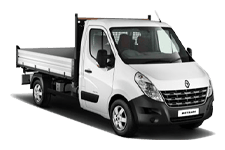
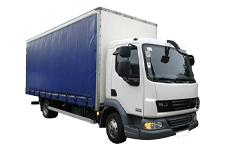
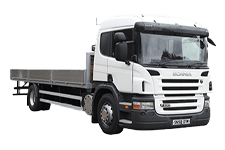
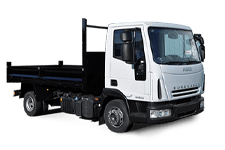
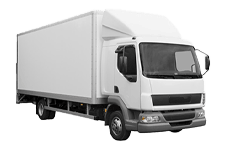
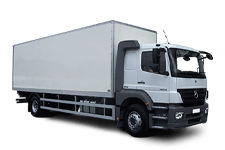
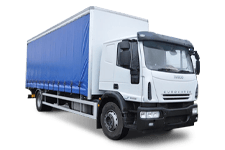
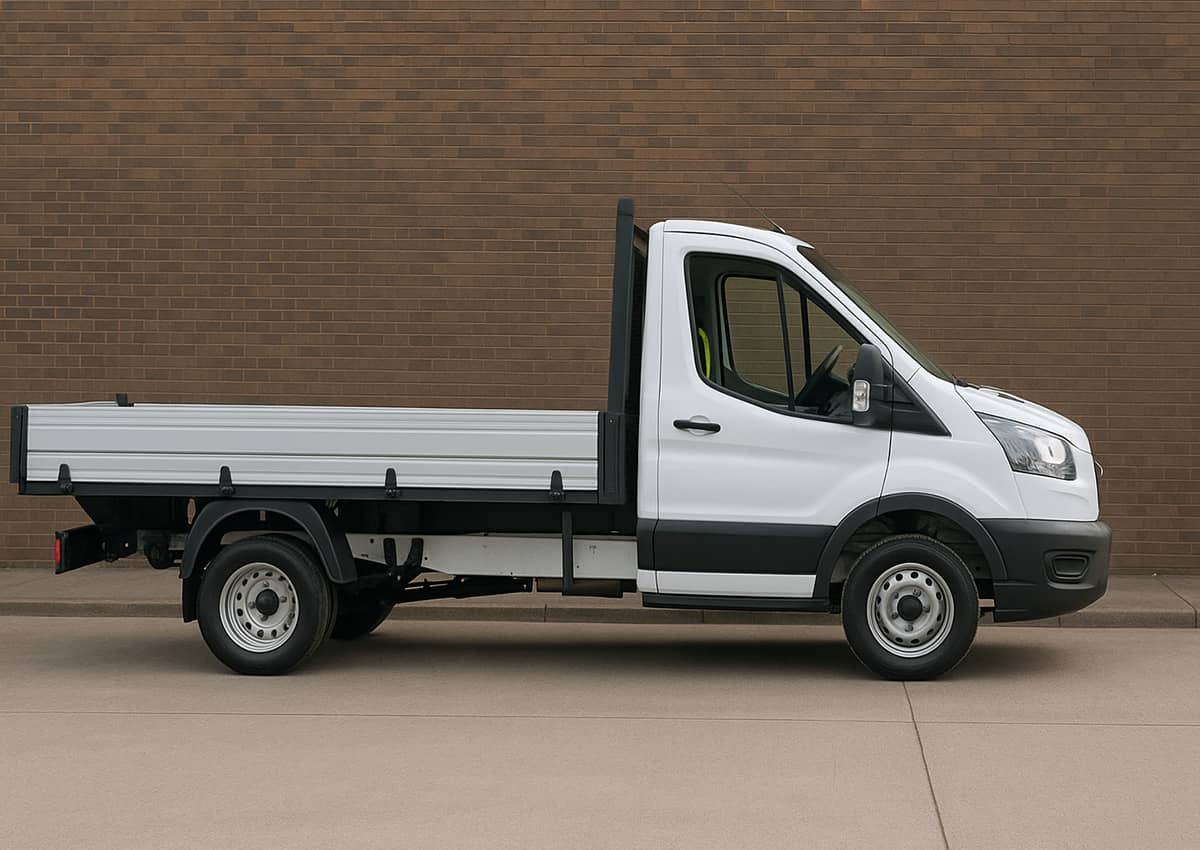
A 3 metre dropside suits compact trade loads such as bagged materials, a few sheets of board, fence posts or smaller tools. It is easier to place on residential streets and narrow site entrances, provided the load genuinely fits the shorter deck without hanging off the back. A 4 metre dropside adds length for timber, pipe and palletised supplies, but the longer body needs more kerb space and more clearance to lower the sides.
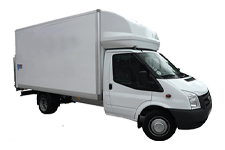
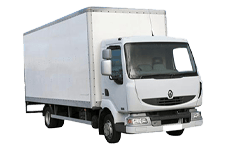
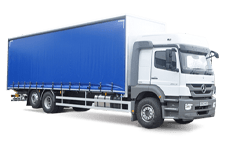
A dropside with a tail lift is worth discussing for pallets or wheeled equipment where there is no loading dock. It helps only when the ground beneath is firm and level and the lift's own rating covers the heaviest item, which is a separate figure from the vehicle's payload. A 7.5 tonne dropside lorry handles longer and heavier loads, on condition that the driver holds the right entitlement, the route suits a lorry and the destination has room to unload. Bed lengths for each category are representative, so confirm the allocated vehicle's dimensions before measuring your load against them.
Sources: Nationwide Hire UK: 3 metre dropside, Nationwide Hire UK: 4 metre dropside, Nationwide Hire UK: dropside with tail lift, Nationwide Hire UK: 7.5 tonne dropside
Payload, gross weight and licence entitlement
Gross vehicle weight, also called maximum authorised mass, is the most the vehicle may weigh fully loaded and is normally shown on its plate or sticker. Payload is what is left after the vehicle itself, fuel, driver and passengers are counted. A 3.5 tonne van does not carry 3.5 tonnes of materials, so ask for the plated figure and the realistic payload of the vehicle you will drive.
Add up everything on the bed, including pallets, packaging, straps and tools. Spread the weight so no single axle is overloaded, and remember that dropping part of a load at a first stop can shift the balance on what remains. If your total is close to the limit, a weighbridge ticket settles the question better than a guess.
Licence category follows maximum authorised mass, not payload. A category B licence generally covers vehicles up to 3.5 tonnes, while those above 3.5 and up to 7.5 tonnes need C1. Check the categories on each driver's current licence before booking, and expect suppliers to set their own age or experience conditions.
Sources: GOV.UK: vehicle weights explained, DVSA: HGV overloading basics, GOV.UK: driving licence categories
Trade work in Northampton: when the vehicle is part of the job
West Northamptonshire Council considers waivers for people whose work demands that they park close to the premises. The test is whether the vehicle is integral to the works, such as a dropside carrying tools used throughout a refit. A short delivery does not make that case, so do not treat one as permission to stand outside a property all day.
The maximum per application is two weeks, and a waiver is discretionary and valid only as issued. Its conditions also say no goods are to be deposited on the footpath, so materials must go straight from the bed into the property, drive or compound. Check dates, location and any vehicle details against your hire booking.
Planning the unload at the destination
Official workplace transport guidance says loading areas should be clear and level, vehicles should stand as stably as possible and unloading should be planned and agreed in advance. On a Northampton street or small site, that means choosing where the sides will drop, keeping pedestrians away from that side and agreeing who lifts what before the vehicle arrives.
Clear a receiving area first: a garage bay, a stretch of garden or a marked patch of site where boards and bags can go down straight away. Check that nothing has shifted in transit before lowering a side, because a load that has moved can fall as the side opens. Items that need two people or a machine should never be improvised off a dropped side or the edge of the deck.
Sources: HSE: safe loading and unloading
Securing and measuring loads on an open bed
Side access is the main benefit of an open deck, and it comes with a condition: there are no walls holding anything in. DVSA guidance says a load cannot rely on its weight or friction to stay put, and that the securing system must suit the actual load and vehicle. Before loading, inspect the platform, sides, headboard and anchorage points.
Use rated straps or chains fixed to proper anchorage points; sheeting and rope hooks are not restraint anchors. Chocks, friction matting and a headboard help, but the right mix depends on the load. Ask the supplier what restraint equipment, if any, comes with the hire, bring your own rated kit if needed, and recheck tension after the first few miles and after every part-unload.
Long timber and scaffold tube tempt people to let the load hang past the tailboard. Official guidance on overhanging loads covers rear and side projections, including marking and when advance notice is needed, and the rules depend on the measured projection. Measure before loading. If the load only just fits a shorter deck, a longer bed is often simpler than managing overhang, provided you can park it.
Sources: DVSA: securing loads on HGVs and goods vehicles, DVSA: load securing basics, DVSA: ways to secure a load, DVSA and DfT: overhanging loads on vehicles
Residents and permit zones
Households collecting garden materials or moving furniture often assume their resident permit covers whatever they drive home. The council's permit guidance says residents must not park in a resident permit bay or zone until dispensation has been given in writing, and you should not treat any provision for hired vehicles as automatically covering a dropside.
Before collection, check whether your street has permit bays, ask whether the vehicle type is eligible and wait for written confirmation. Keep it with you on the day. If permission is not forthcoming, look for private space such as a driveway, or a lawful place to stop that suits the vehicle's length.
Sources: West Northamptonshire Council: hired vehicles and resident permits
Timing collection, handling and return
Delivery handling and return timing shape a hire as much as the vehicle does. Work out when materials will be ready at the merchant, how long unloading takes with the people and equipment you have, and whether access at the destination changes through the day. A hire that ends before the final unload leaves you rushing the heaviest task.
Mileage, deposits, insurance, fuel, damage and late return are set by the company you book with. Published terms from another hire firm can show what questions to ask, but they are not your contract. Read your own booking documents, and allow time to clear and sweep the bed before handing the vehicle back.
Sources: Third-party reference: Nationwide Hire UK terms and conditions